Materials and Certificates
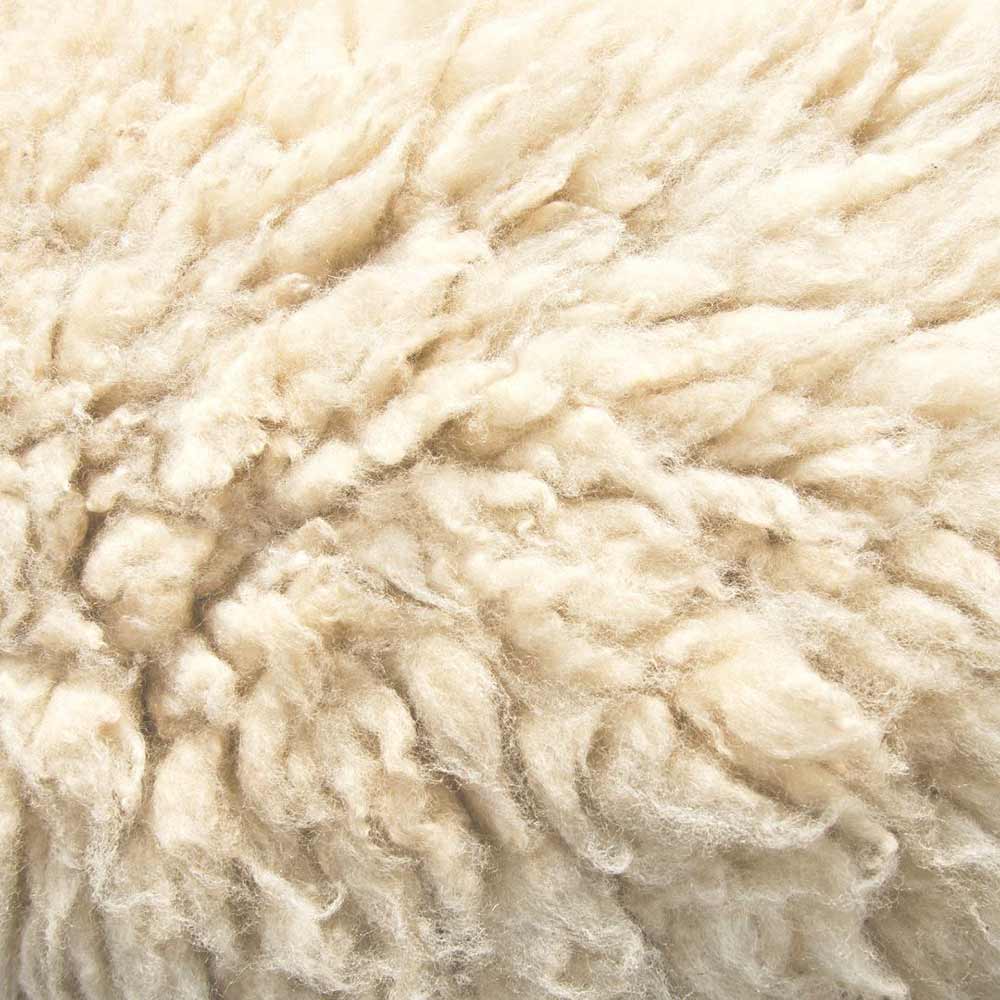
Not all felt is created equal – it's all about the wool! Here you'll discover one of the secrets to WoolFits' incomparably high wearing comfort. For maximum transparency, you'll also find our suppliers' certificates here.
Why Felt is Often a Deceptive Product
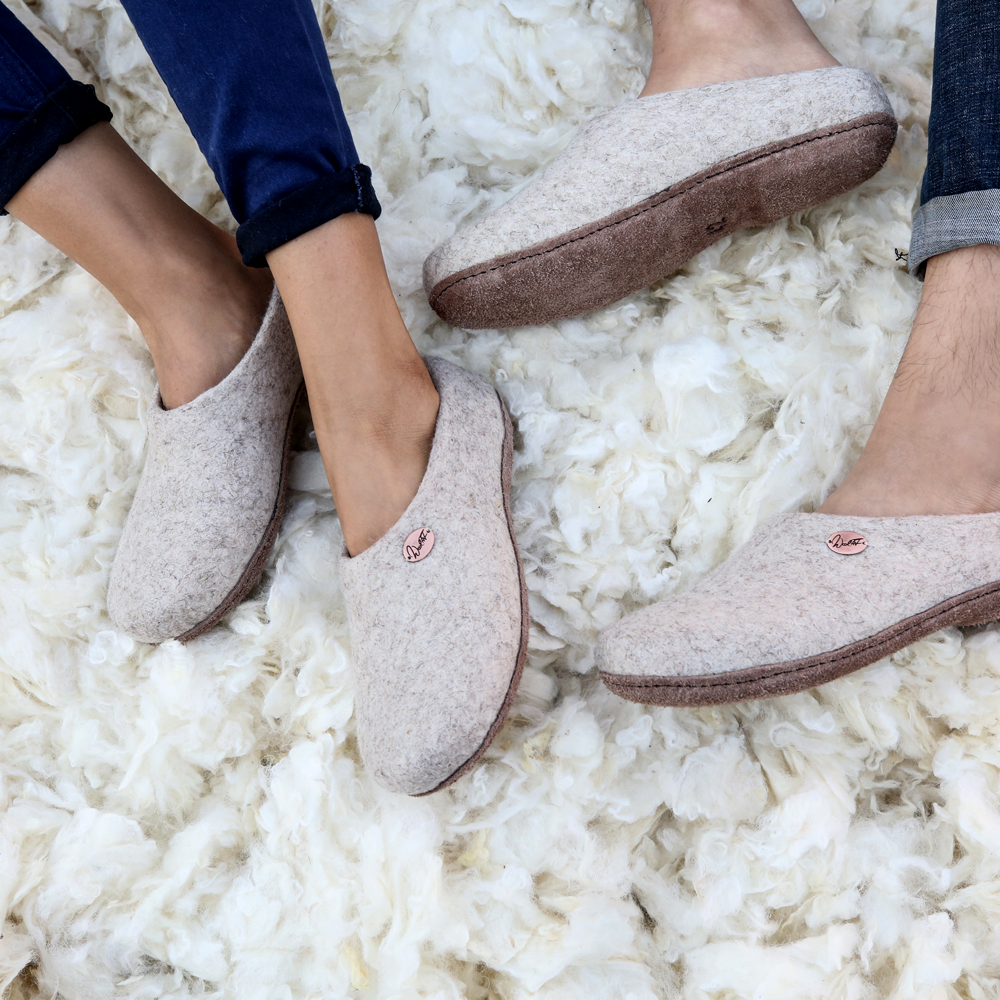
Felt is not just felt – it comes in many varieties and quality levels. Most slippers on the market are made of mixed felt (yuck!). This is woven together with synthetic materials to make it easier to process. However, this loses the natural, soft feel and breathability.
Why do almost all use mixed felt?
It's simple: wool felt made from 100% virgin wool costs about four times as much!
In our opinion, many are saving in the wrong place, because once you've had a slipper made of 100% wool, you won't want anything else!
We use two types of wool, both of which have their advantages.
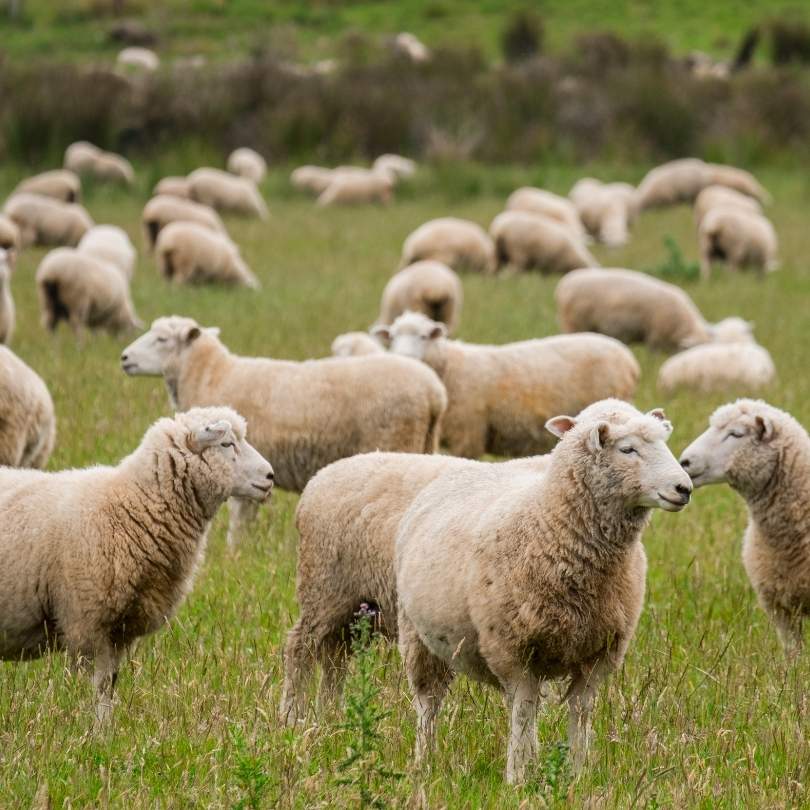
Especially soft merino wool for our barefoot slippers from Nepal
Here we use premium merino wool from New Zealand. Wool differs in the thickness and curliness of its fibers. The finer the hair, the softer the felt. But: the thicker the hair, the more robust the felt.
After many tests, we have found the ideal wool thickness, which is 26 microns. We are currently the only ones in Nepal to import this wool. Our supplier is the Schneider Group, which offers the highest standards in animal welfare and transparency. They are OEKOTEX100, GOTS (Global Organic Textiles), RWS (Responsible Wool Standard) certified.
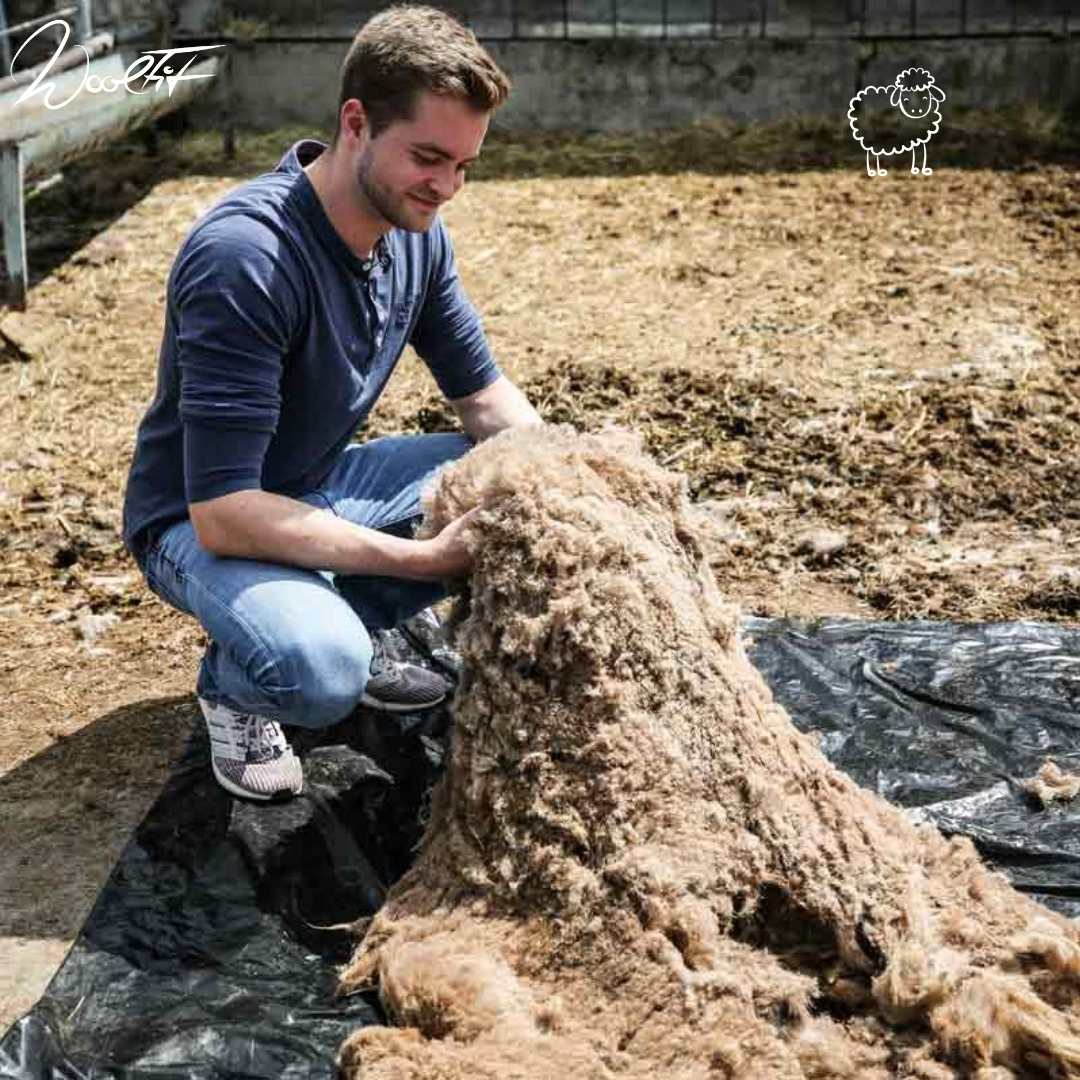
Wool Collection Centers in Kyrgyzstan
In fact, a large portion of wool worldwide is discarded. German shepherds, in particular, are familiar with this problem: they simply cannot find buyers because further processing is elaborate.
In Kyrgyzstan, the problem is even greater, as shepherds live far from cities, and it would not be profitable to transport the wool there.
Our production has therefore created a kind of "wool collection point" in remote villages, where shepherds can bring their wool and it is collected by our production in one trip. Due to the continental climate, Kyrgyz wool is excellently suited for temperature fluctuations from -40°C to +40°C. The wool has a special crimp structure that makes it particularly robust and allows for a particularly dense felt.
We visited one of these sheep farms ourselves and were very impressed by the animal-friendly husbandry. The animals are kept outdoors year-round and move from pasture to pasture. Our production has also recently been OEKOTEX100 certified. You can find the certificate here.
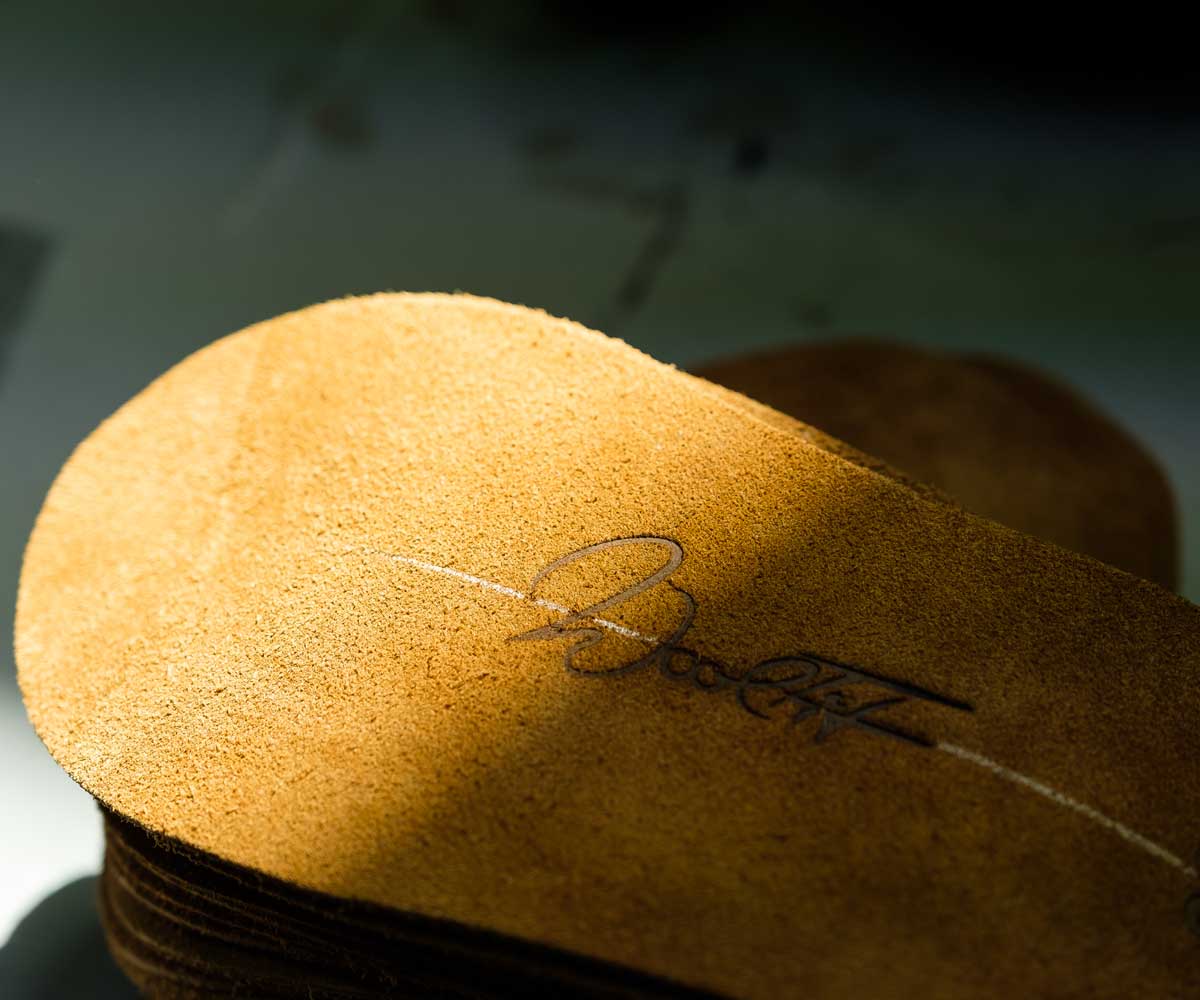
Vegetable leather
This is not artificial leather, but genuine leather, which has been tanned with vegetable tannins, and is therefore chemical-free.
This is not only better for the environment and for the workers, but also makes the leather particularly skin-friendly, as it is the only way to completely avoid chrome during tanning. We use this high-quality leather for all our slippers from Kyrgyzstan.
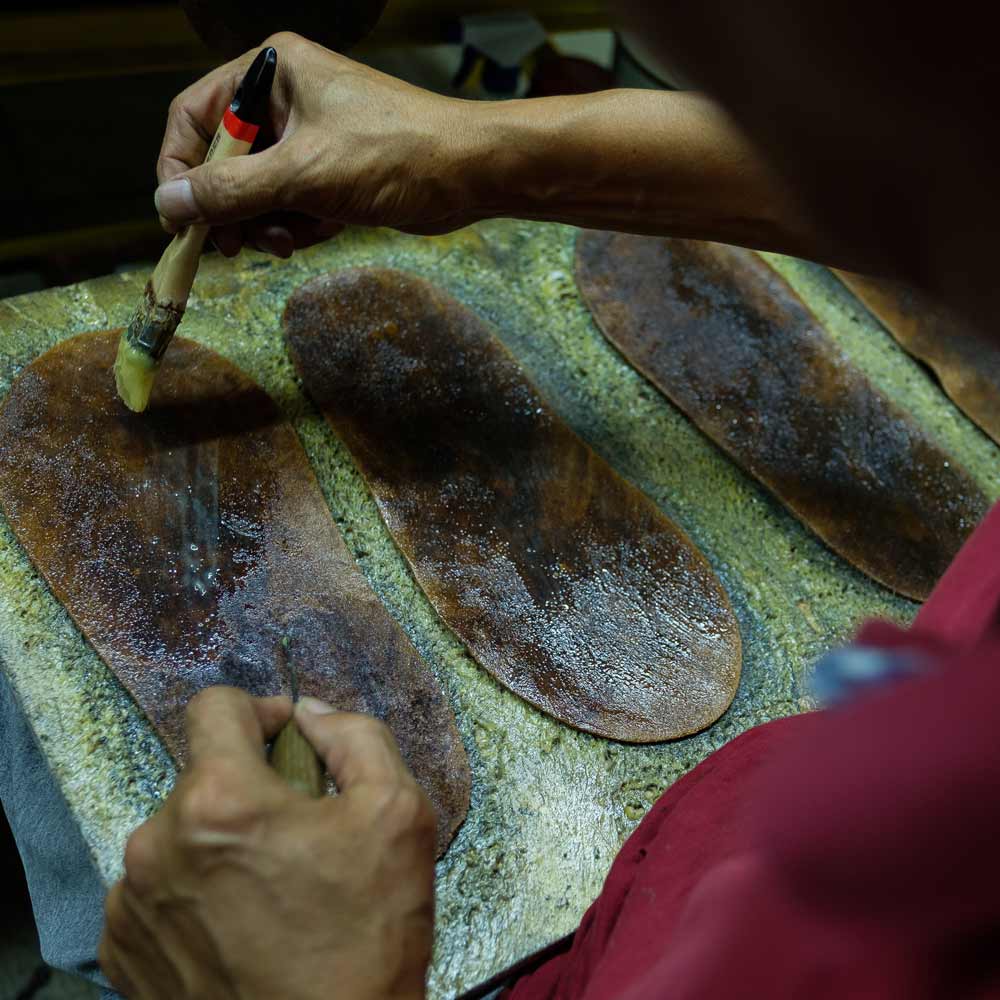
Sustainability through durability
Although our adhesive is natural latex-based, it is unfortunately not a completely natural product. However, it is very powerful! This is to ensure that our shoes last as long as possible.
For safety, our soles are therefore not only glued but also stitched. Two is better than one!
Our leather soles last on average 2-5 years.
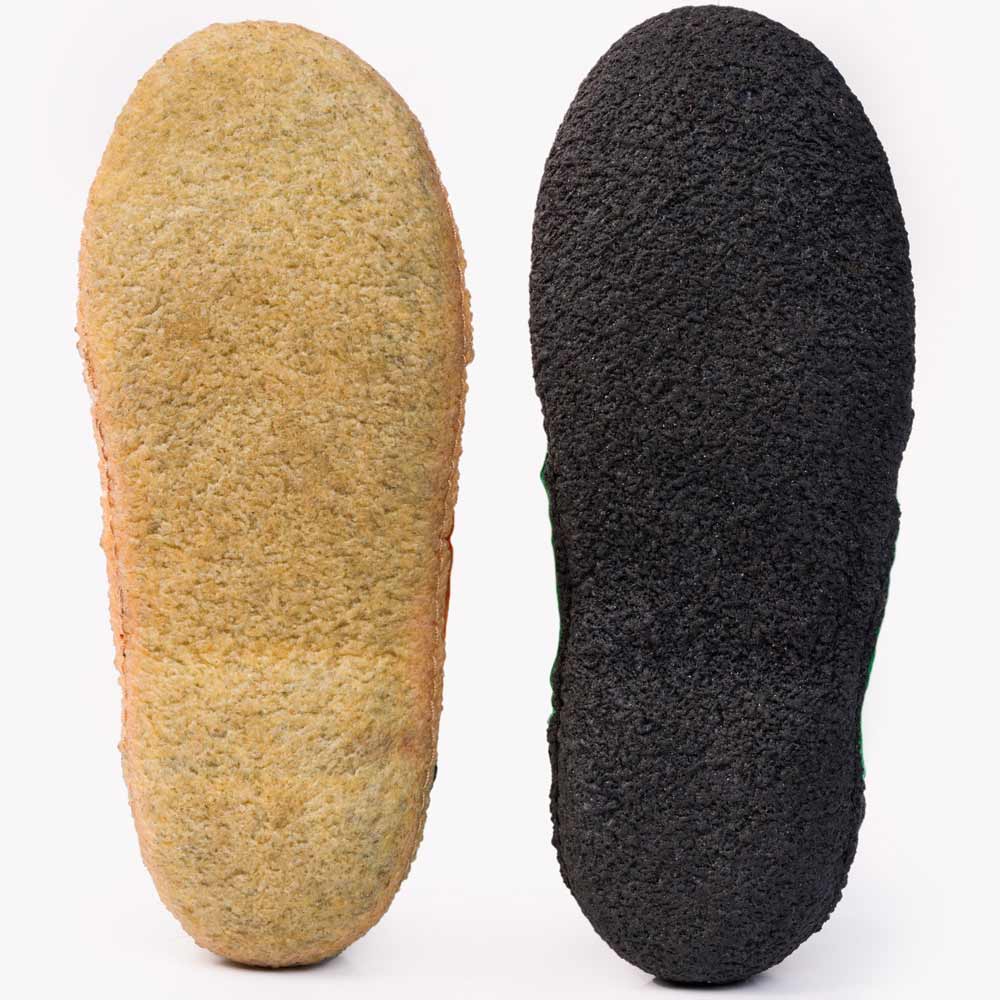
Natural rubber sole made of natural rubber
Natural rubber is obtained from the sap of the rubber tree, making it a renewable resource.
Our soles made from it have excellent properties in terms of flexibility and slip resistance.
For increased durability, we recently made the soles 50% thicker.
It is important that the soles do not come into contact with chemicals (e.g., petrol or aggressive detergents). In addition, they should not be placed in direct sunlight or on a heater, as they are sensitive to heat and strong UV radiation. If these points are observed, it is the perfect sole for a slipper.